Why does my toilet keep running?

Written by Richie Foster
Founder, licensed plumber
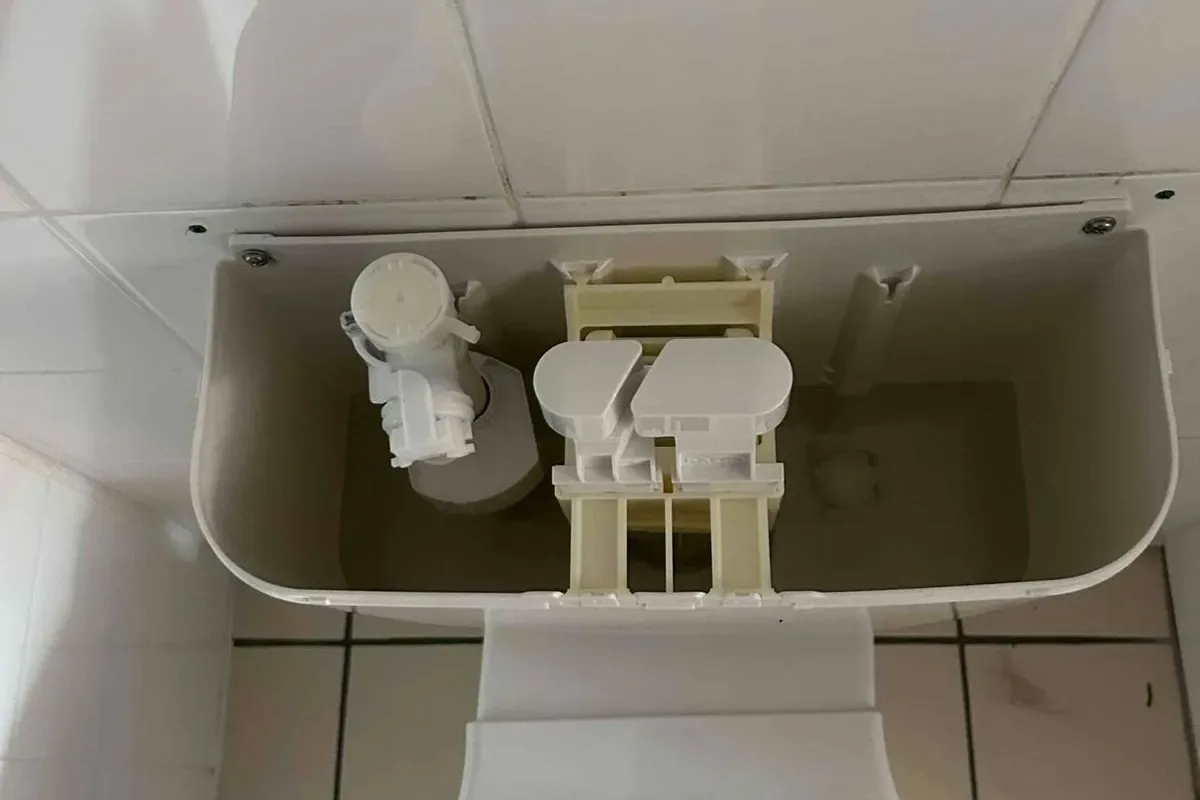
If your toilet keeps running after you flush, or it starts filling up again on its own in the middle of the night, it's nearly always one of two parts inside the cistern. Either the inlet valve, which fills the cistern, isn't shutting off properly, or the flush valve at the bottom isn't sealing and water's sneaking through into the bowl. Both are normally a quick fix. It's still worth sorting sooner rather than later, because a running toilet wastes water all day and all night, you're paying for every drop of it, and a small drip into the bowl only ever gets worse.
1. Take the lid off and have a look
Lift the cistern lid off and put it down on a towel on the floor. It's heavier than it looks and it's porcelain, so it'll crack if it slips.
Now look at the water. If it's right up at the top of the tall tube in the middle and spilling down into it, the inlet valve isn't turning off when the cistern's full. If the level looks normal but you can still hear a trickle, or see water running down the back of the bowl, it's more likely the flush valve or its seal. Knowing which one it is saves guesswork when we turn up.
2. Try the food colouring test
If you can't tell by looking, put a few drops of food colouring in the cistern, don't flush, and leave it for half an hour or so. If any colour turns up in the bowl, water's getting past the flush valve or the seal underneath it. It costs you nothing and it finds the slow, quiet leaks you'd never hear.
3. Listen for it at night
A toilet that hisses, buzzes or tops itself up for a few seconds when nobody's used it is losing water somewhere. If it's buzzing or humming as it fills, mention that to us too. That can be a sign the water pressure coming into the house is too high, which wears out the valves in your toilets and taps faster than it should.
4. Turn it off at the little tap if you need to
Behind or beside most toilets there's a small tap on the pipe going into the cistern. If it's running and you can't wait, turn that off between flushes and turn it back on when you need it. It stops the water bill climbing while you wait for us. Turn it gently. If it's stiff or won't budge, leave it rather than forcing it, because they can snap. If you can't use it at all, here's how to turn your water off at the meter.
What's safe to try, and what isn't
Jiggling the button might stop it for a while, but it'll come back, because the part itself is worn. Please don't bend or force parts that won't move. Cistern parts are made to fit particular cisterns, and one that's nearly right often leaks worse than the old one. If the cistern or the pan is cracked, even a hairline crack, turn it off at the little tap and give us a call.
Recent running toilet jobs
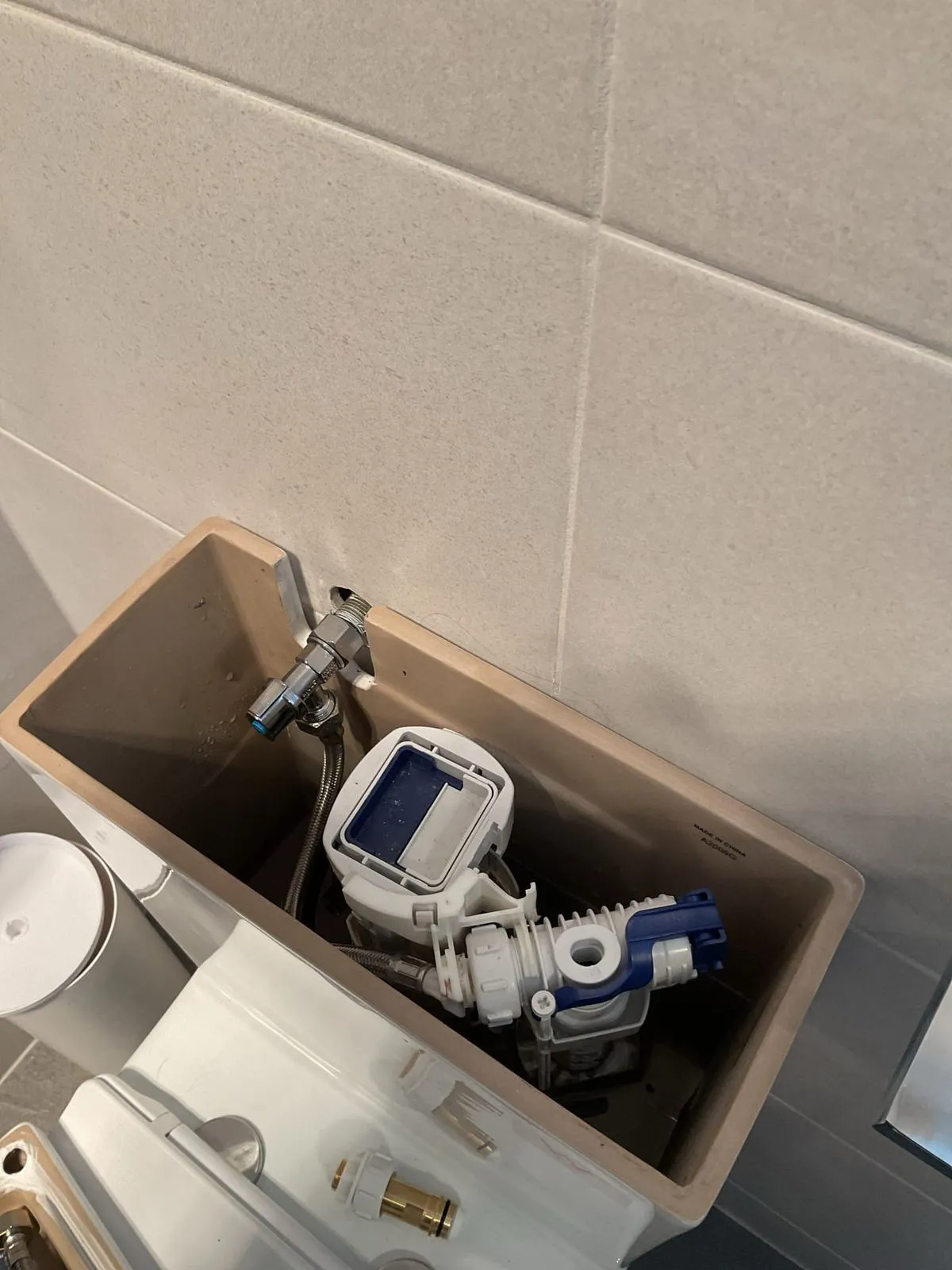
Hawker, in Canberra's Belconnen area
The cistern was leaking into the bowl, filling up again through the day and night, and buzzing while it did it. The inlet valve was faulty. We put in a new one, added a pressure limiting valve so the new valve isn't copping more pressure than it should,.
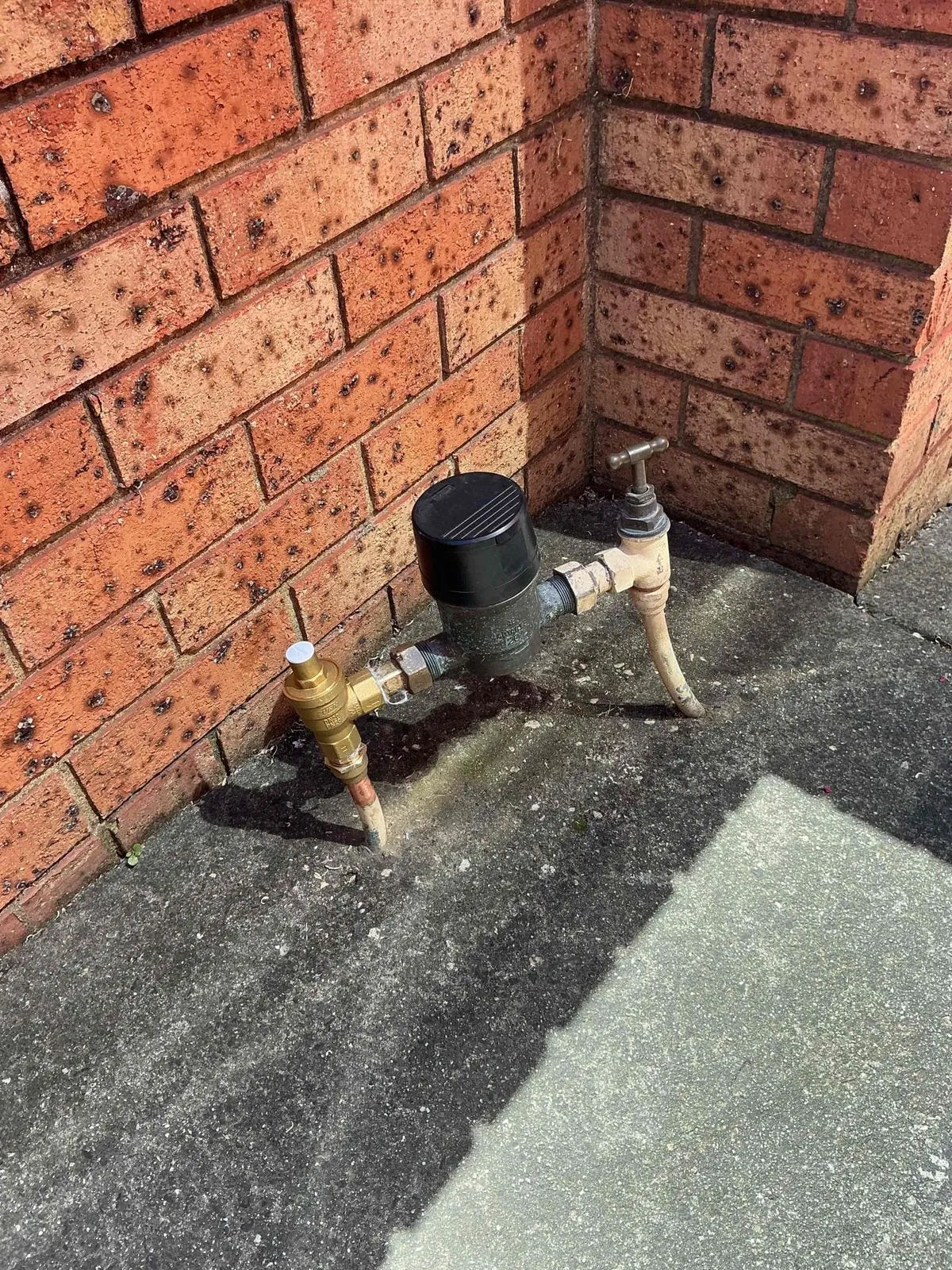
Ascot Vale, in Melbourne's inner north-west
The toilet was refilling noisily and running into the bowl, and the outside tap had a broken handle. We replaced the inlet valve in the cistern and the outside tap, and fitted a pressure limiting valve at the water meter.
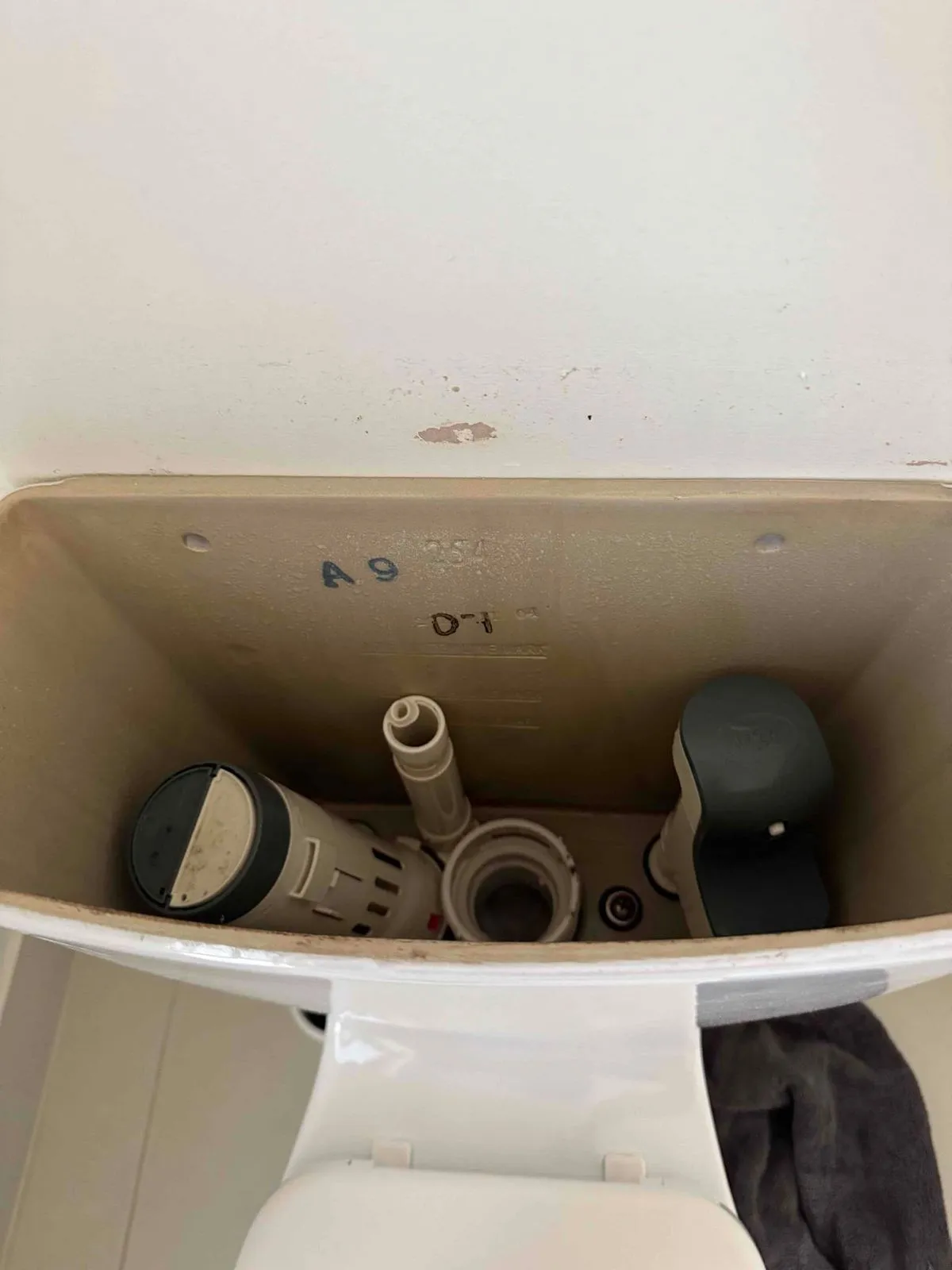
Highton, in Geelong's south-west
The cistern was leaking into the bowl, so the customer had been turning the water off at the wall between flushes, which was the right thing to do. The valves and the seal inside had worn out. We stripped the cistern and fitted a new inlet valve, flush valve and cistern to pan seal.
Wright, in Canberra's Molonglo Valley
This one had been running into the bowl for about half an hour at a time, on and off for a month. We replaced the inlet valve and checked the plumbing through the rest of the house. The pressure limiting valve at the meter looked old and seemed to have given up, so we recommended replacing it too.
What affects the cost
Mostly it's which part has gone and how easy it is to get to. A new inlet valve in a cistern you can open from the top is quick. Some cisterns have to come off the wall to get at the valves, and that takes longer. If the cistern's old enough that the parts don't fit any more, or the suite is cracked, a new cistern or a whole new toilet can make more sense than a repair. And if your water pressure's too high, a pressure limiting valve at the meter is an extra part, but it means the new valves last. We'll give you the options and the price before we start.
When to call us
Give us a call if the dye test shows a leak, if the cistern keeps topping itself up, if it buzzes or bangs when it fills, or if you've had to turn it off at the wall. It's worth getting it done before Christmas if you've got a full house coming.
Checking that every toilet flushes properly and fills up and stops is one of the 16 things our plumbers check on every job. You can go through them yourself with our Plumbing Health Check.
We fix running and leaking toilets all over Melbourne, Geelong, Canberra and Ballarat, including around Belconnen, Essendon and Belmont. Book online or give us a call on 1300 664 932.