Richie Foster

Our experienced plumbers inspect the full toilet system, including internal cistern components, seals, inlet and outlet valves, and waste connections to ensure the underlying problem is properly resolved rather than temporarily patched.
If you are looking for a reliable plumber for toilet leak repairs, our team is ready to help.
Toilet leaks can develop gradually over time or appear suddenly due to worn components or system failure.
Some of the most common causes include:
Leaks around the base of the toilet often indicate a failed seal between the toilet and the waste outlet. This can lead to slow water seepage, staining, and potential damage to bathroom flooring if not addressed promptly.
If your toilet continues to run after flushing or the cistern repeatedly refills, it is often a sign that internal components, such as inlet or outlet valves, are faulty or worn.
The inlet and outlet valves regulate water flow into and out of the cistern. When these components fail, the toilet may continue to run, leak internally, or struggle to maintain correct water levels.
Rubber seals and internal cistern parts naturally wear out over time. Once these components deteriorate, water can escape slowly or continuously from the cistern.
Older toilet systems are more prone to recurring leaks due to ageing components, outdated designs, and general wear across multiple internal parts.
Not all toilet leaks are immediately visible. In many cases, water can leak internally without obvious signs, leading to increased water usage and higher bills over time.
Hidden leaks may present as:
Because these issues are not always visible, they can go unnoticed for long periods, resulting in significant water wastage.
Professional inspection by a plumber is often required to accurately detect and resolve hidden toilet leaks.
A leaking toilet can waste large volumes of water each day, especially when the cistern is constantly refilling or water is continuously escaping into the bowl.
Over time, this can significantly increase household water bills while placing unnecessary strain on plumbing systems.
Addressing toilet leaks early helps reduce water wastage and prevents further damage to internal components.


Why Choose Us
We go above and beyond to deliver exceptional plumbing services to create an experience you simply cannot get anywhere else
Upfront quotes with no hidden fees. Feel in control and know the cost before work begins.
A local, family-run team that treats you and your home with care and respect, every time.
Fully licensed and highly trained plumbers delivering reliable, long-lasting plumbing repairs tailored to you.
We go over your whole system to ensure there are no nasty surprises down the track
Our customer service team is committed to ensuring you feel heard and understood the whole way through
We work around you and your schedule keeping you informed the whole way
Many toilet leaks can be repaired without requiring a full replacement. However, in some cases, replacement may be the more practical long-term solution.
Repair may be suitable when:
Replacement may be recommended when:
If several plumbers have attended to a recurring leak and the issue continues to return, it often indicates a deeper structural or system fault requiring more comprehensive repair or replacement.
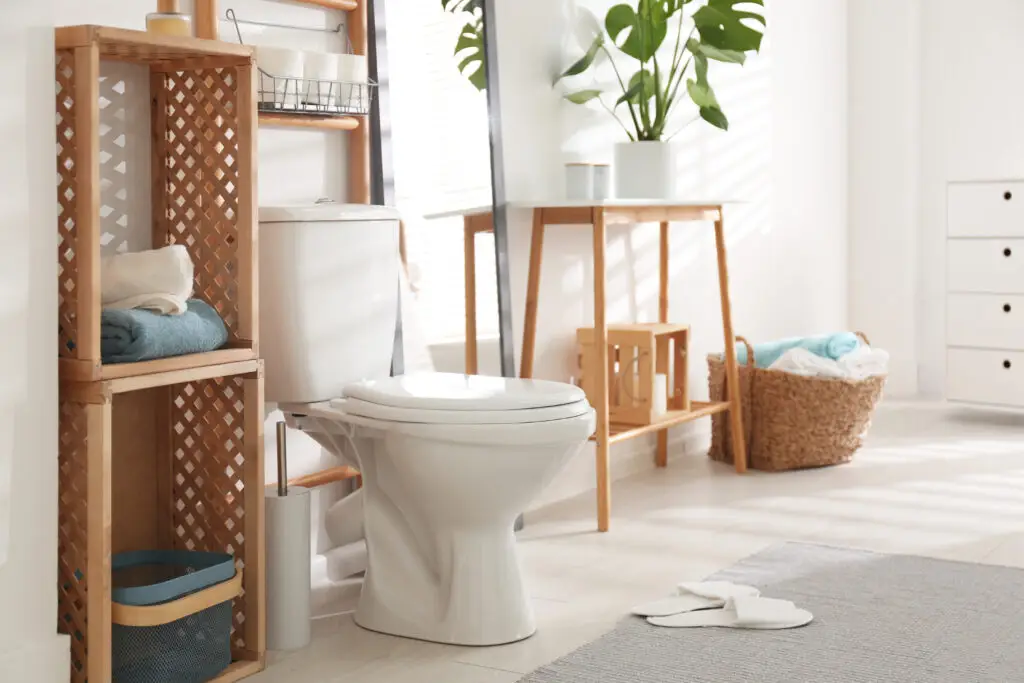
Proper care and maintenance can help extend the lifespan of your toilet system and reduce the likelihood of leaks developing.
Fix It Right Plumbing recommends:
Harsh chemicals can damage internal seals and ceramic coatings over time, leading to premature wear and increased likelihood of leaks.
Regular inspection of toilet components can also help identify early signs of wear before major leaks occur.
Fix It Right Plumbing provides complete toilet leak repair services, covering all common residential toilet systems.
Our plumbers can assist with:
We focus on identifying the root cause of the issue and providing long-term repair solutions rather than temporary fixes.
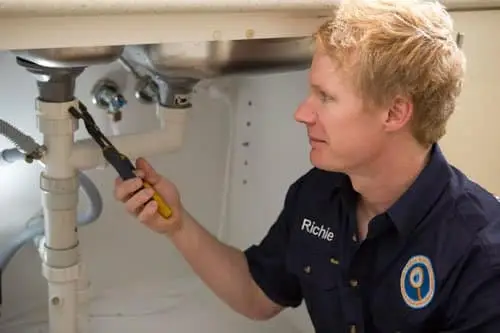
Fix It Right Plumbing is committed to delivering reliable plumbing solutions backed by experience and attention to detail.
Our plumbers take the time to properly diagnose toilet issues and provide clear recommendations based on the condition of your system.
Homeowners choose us because we provide:
Whether you are dealing with a minor leak or a persistent toilet issue, our team is ready to help restore proper function quickly and effectively.
If you need a reliable plumber for toilet leak repairs, contact Fix It Right Plumbing today.
Our team can assist with toilet leak detection, cistern repairs, valve replacements, and full toilet system servicing.
Call today to book an inspection or request a quote.
From your first call to job completion, we make the process simple and stress-free.
When you get in touch, our friendly team will find a time that suits you and keep you in the loop, so you’re never left wondering when your plumber will arrive.
You will get a call when your plumber is on they’re way so you’re fully informed. Here is what happens when your plumber arrives at your home…
We arrive on time, introduce ourselves properly, and make sure you feel comfortable from the moment we walk in.
We listen carefully, ask the right questions, and fully understand the problem before touching anything. We explore your needs and wants to make sure we "Get You".
You get three clear options, with transparent pricing for each clearly laid out, so you can choose what’s right for you, your family and your budget.
We carry out the work professionally, safely, and to a high standard, with minimal interruptions to you and your home, keeping you informed along the way.
We test everything, clean up thoroughly, explain what we’ve done, and make sure you’re completely happy and over the moon before we leave.
Accepted Payment Methods:
FAQ
Got questions? We've got answers. Find quick information about our services below.
A toilet leaking from the base is usually a sign that the seal between the toilet and the drain has failed, but it can also be caused by loose fittings, cracks or plumbing issues beneath the floor. Even if the leak seems minor, it’s important to have it inspected promptly to prevent water damage and mould.
Common causes of a toilet leaking from the base include:
If you notice water around the base of your toilet, avoid simply tightening the bolts, as this can crack the porcelain. It’s also important to determine whether the water is clean or appears after flushing, as this can help identify the cause of the leak.
A toilet that keeps running after you’ve flushed it is usually caused by a faulty component inside the cistern. While it might seem like a minor annoyance, a continuously running toilet can waste thousands of litres of water and significantly increase your water bill over time.
Common causes include:
In some cases, replacing a simple part is all that’s needed. However, if the toilet is older or multiple components have worn out, replacing the entire cistern mechanism may be the most reliable long-term solution.
A hidden toilet leak isn’t always easy to spot because water can leak silently from the cistern into the bowl or from the toilet’s plumbing without leaving obvious puddles. Left unchecked, even a small leak can waste thousands of litres of water each year and increase your water bill.
Common signs of a hidden toilet leak include:
In most cases, a leaking toilet can be repaired without needing to replace the entire unit. The right solution depends on where the leak is coming from and the condition of the toilet. Many leaks are caused by worn seals or faulty internal components that can be replaced quickly and cost-effectively.
A toilet can often be repaired if:
Replacement may be the better option if:
A professional inspection is the best way to determine whether a repair or replacement is the most cost-effective long-term solution.
If your toilet is leaking again after being repaired, it could mean the original fault wasn’t fully resolved, another component has since failed, or there’s an underlying plumbing issue that wasn’t visible during the initial repair. While some leaks are caused by a single faulty part, others can be a symptom of a larger problem.
Common reasons a toilet may start leaking again include:
If your toilet starts leaking again, it’s best to have it inspected rather than continuing with temporary fixes. Repeated leaks can waste water, increase your water bills, and cause damage to your flooring or surrounding areas.
It depends on the type of cleaning tablet and how it’s used. While toilet cleaning tablets can help keep your toilet fresh and reduce stains, tablets that sit inside the cistern can sometimes damage the rubber seals and plastic components over time. This can lead to leaks, a continuously running toilet, and unnecessary water waste.
Potential issues with in-cistern cleaning tablets include:
Tablets that hang inside the toilet bowl are generally less likely to affect the cistern’s internal components, although it’s still important to follow the manufacturer’s instructions.
If you want to keep your toilet clean, regular cleaning with a toilet brush and a non-abrasive toilet cleaner is usually the safest option. If you choose to use cleaning tablets, avoid leaving highly concentrated chemicals in the cistern for long periods.
A leaking toilet can be caused by several different issues, depending on where the water is coming from. Some leaks occur inside the cistern and waste water silently, while others leak from the base, around the water supply, or from cracked components. Identifying the source of the leak is the first step to finding the right solution.
Common causes of a leaking toilet include:
Some toilet leaks are easy to spot, while others can go unnoticed for weeks, leading to higher water bills, mould growth and water damage.
The cost to fix a leaking toilet depends on what’s causing the leak. A simple repair, such as replacing a worn seal or faulty valve, is usually less expensive than repairing a damaged toilet or replacing the entire unit. The best way to know the cost is to have a licensed plumber inspect the toilet and identify the source of the leak.
Factors that can affect the cost include:
Delaying repairs can lead to higher water bills, water damage, mould growth and more expensive repairs if the leak worsens.