How to check your gutters and stormwater before storm season

Written by Richie Foster
Founder, licensed plumber
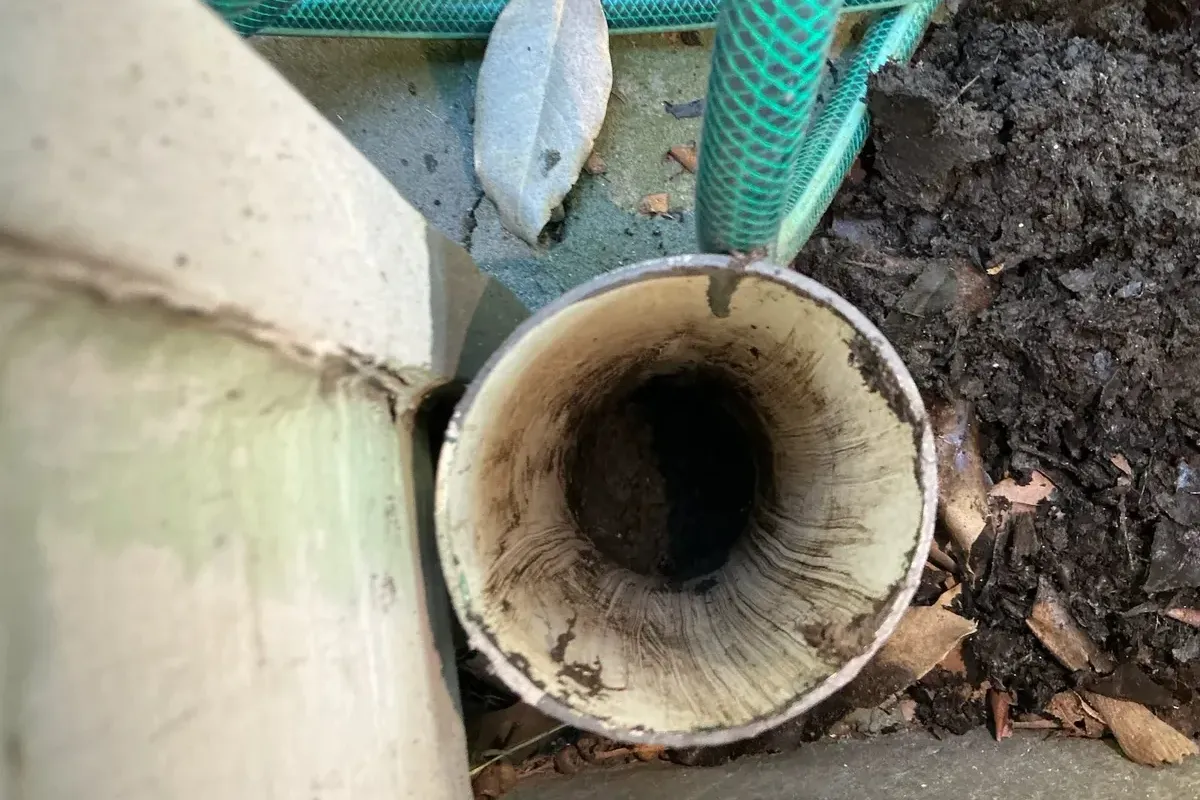
A blocked gutter or stormwater pipe won't bother you on a sunny day. It's when the big rain comes that you find out, and by then the water's going down your walls and under the house. Most of these checks you can do yourself. Ladder, gloves, hose. Do them now while it's dry.
1. Clear the gutters
Start with the gutters. If they're full of leaves the water can't get to the downpipe, so it just goes over the edge and down your walls. Leave it long enough and the fascia boards rot. Sometimes it gets in under the roof and you get stains on the ceiling.
Scoop it out, especially the corners and where the downpipes start. Two storeys? Don't. Get someone in.
2. Check the downpipe joins
Look at every join for rust, stains or drips. A leaky join sprays water on the wall every time it rains, and over time that gets into the brickwork.
Next time it rains, go out and watch. Sometimes what looks like a leaking downpipe is the gutter overflowing down the outside. Different problem, different fix. Worth knowing which before you pay anyone.
3. Make sure every downpipe goes into the ground
Every downpipe should go into a pipe in the ground. If one just spills onto the dirt next to the house, that water soaks in around your footings every time it rains. Do that long enough and the ground moves. That's when you get cracks in the walls and doors that won't shut. Connecting a downpipe is a small job. Fixing cracks isn't.
4. Do the hose test
If you only do one thing, do this. You can't see the pipes under the ground, so this is how you find out if they work.
Put the hose down the top of each downpipe, or in the grate at the bottom. Let it run for a few minutes. Water coming back up? The pipe's blocked or broken. Much better to find that out on a sunny day with a hose than in a storm with a flooded yard.
5. Clean out your pits
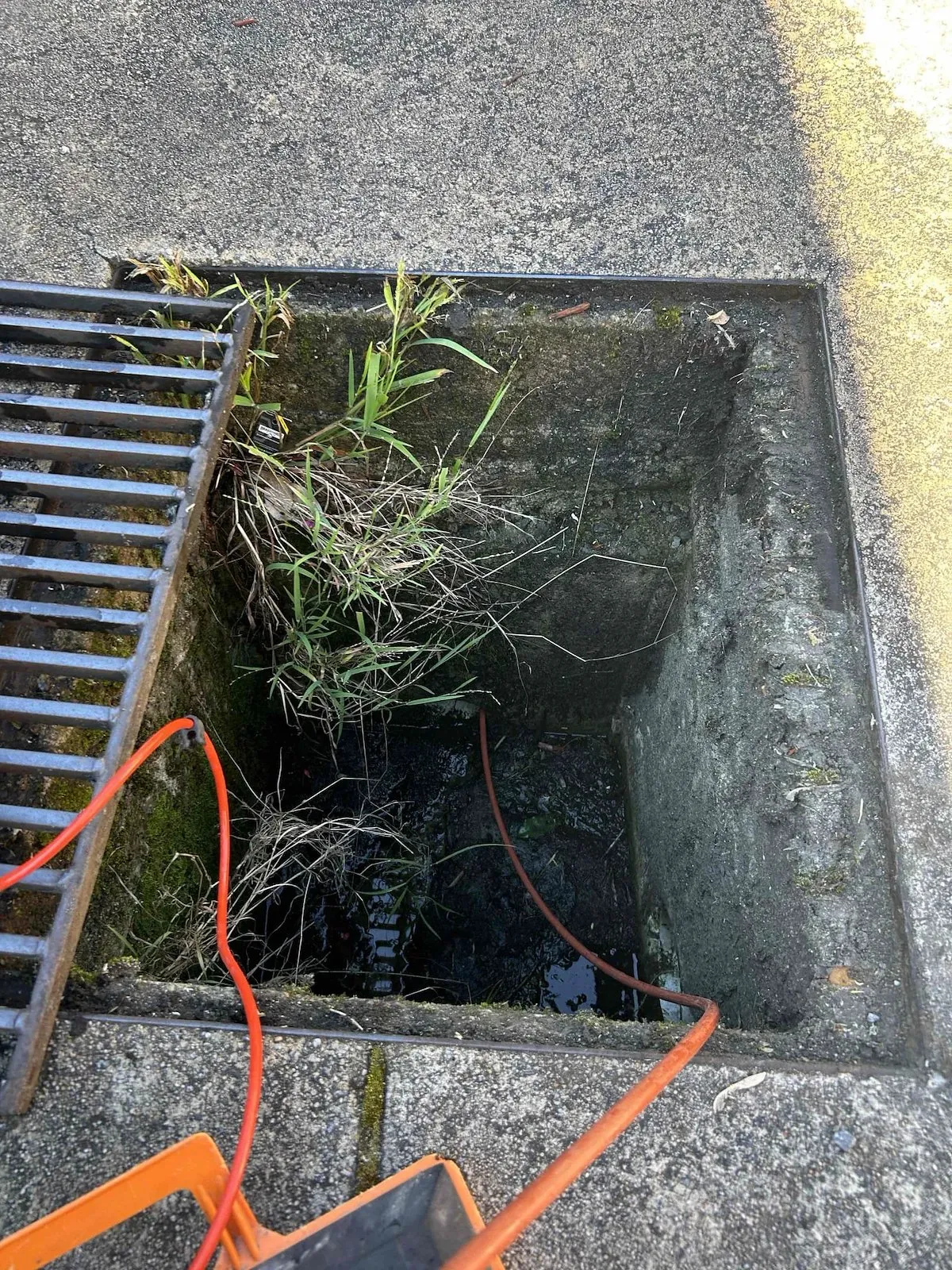
Lift the grates. Pull out the leaves and mud. The pits are where the water from the yard and downpipes goes before it heads down the pipe. Full of mud, they overflow in the first heavy rain and the yard floods.
6. Have a walk around after it rains
After the next rain, walk around the house. Water sitting against the walls. A pit that fills and stays full. A soggy bit of lawn that never dries. A musty smell under the house. Any of those, something's not draining.
Catch it now and it's usually a clean-out or a short bit of new pipe. Leave it and you're looking at wet floors, rotting timber and mould.
Two things not to do
Don't dig until you know what's under there. Gas and water pipes often run near the stormwater, and hitting one is dangerous. Before You Dig Australia will tell you for free.
Don't hire a drain machine and ram it down an old pipe. If it's blocked because it's broken, you'll make it worse. A pipe we could have cleared becomes one we have to dig up.
Recent stormwater jobs
A few we've done this spring.
Ringwood, in Melbourne's east
Water pooling by the back path. The gutters were full of leaves and overflowing, and the stormwater pipe was packed with dirt. We cleaned the gutters, jetted the pipe and put a camera down to check it.
Norlane, in Geelong's north
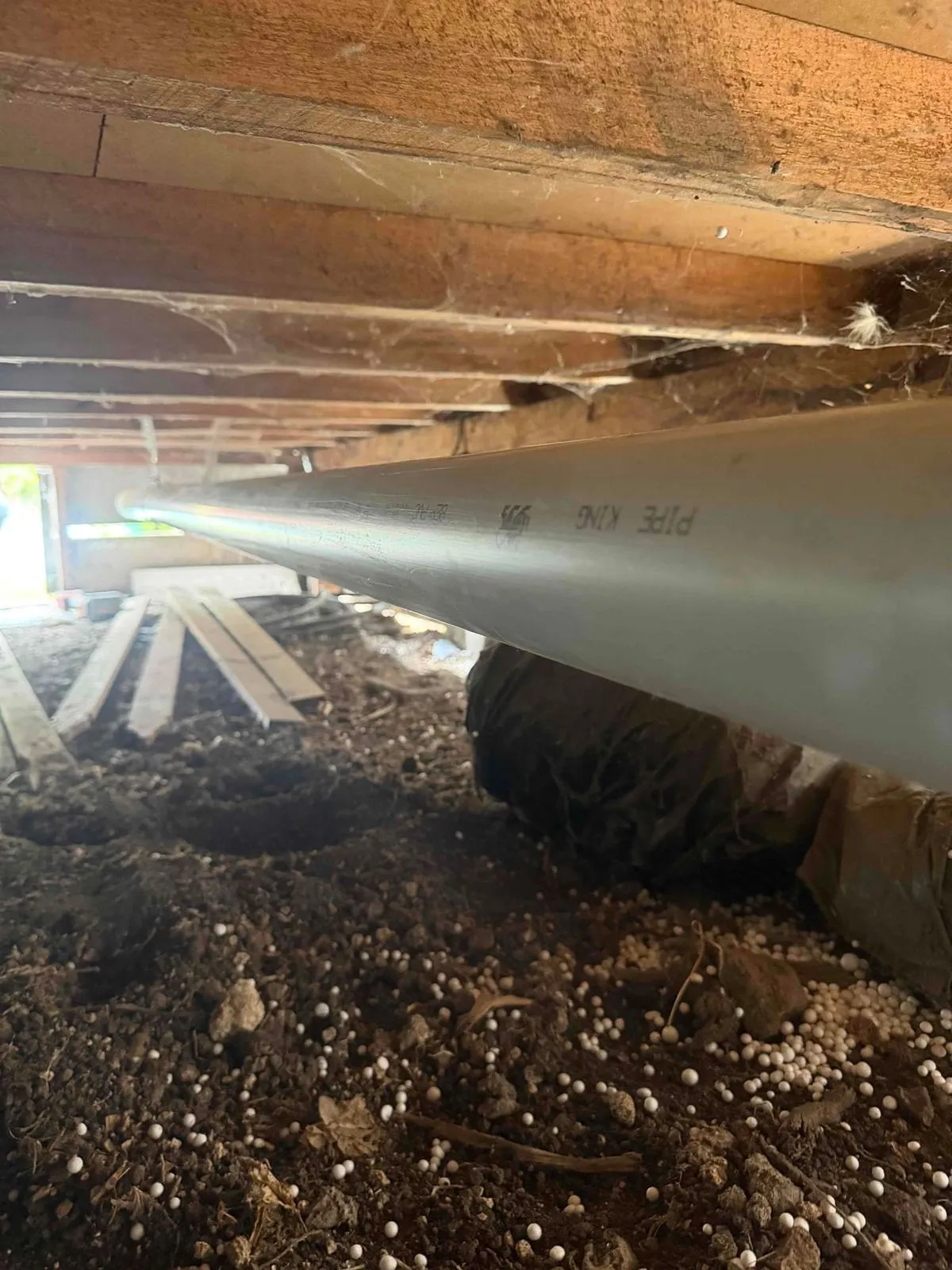
Three downpipes had failed, and the stormwater pipe under the house had gone too. New downpipes, new pipe under the floor, joined into the line out the back.
Queanbeyan East, next to Canberra
About eight metres of old pipe at the front had had it. We dug it up and laid new pipe to the pit at the kerb, with an access point for next time. Then a camera check and water through it.
Invermay Park, in Ballarat
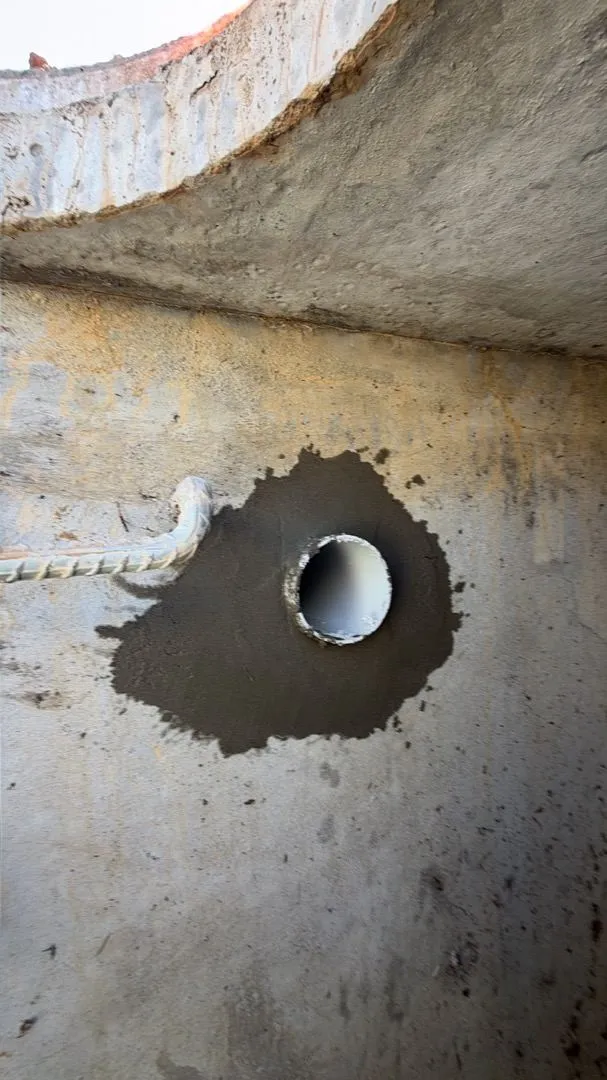
A pit by the pool kept overflowing. Tree roots had blocked the pipes down the side of the house, and the pits were never sealed properly. We jetted the roots out, sealed the pits and put a new one in at the front.
When to call us
Hose test backed up? Yard floods every time it rains? Give us a call. We'll put a camera down and show you what's going on, so you see it yourself before you decide anything. Usually it's a blockage we can jet out, or a broken bit of pipe that needs replacing.
Not sure where your pipes run? Here's how to find the stormwater pipes on your property. Not sure which pipes are yours? Read who's responsible for stormwater in Victoria.
One more while you've got the hose out. Find your main water tap and make sure it turns. If a pipe bursts in a storm, that's what you'll need to turn off. Our plumbers check it on every job, along with 15 other things. You can go through them yourself with our Plumbing Health Check.
We clear and fix blocked stormwater all over Melbourne, Geelong, Canberra and Ballarat. Book online or give us a call on 1300 664 932.