Electric Hot Water Not Working: 10-Point Checklist

Written by Richie Foster
Founder, licensed plumber
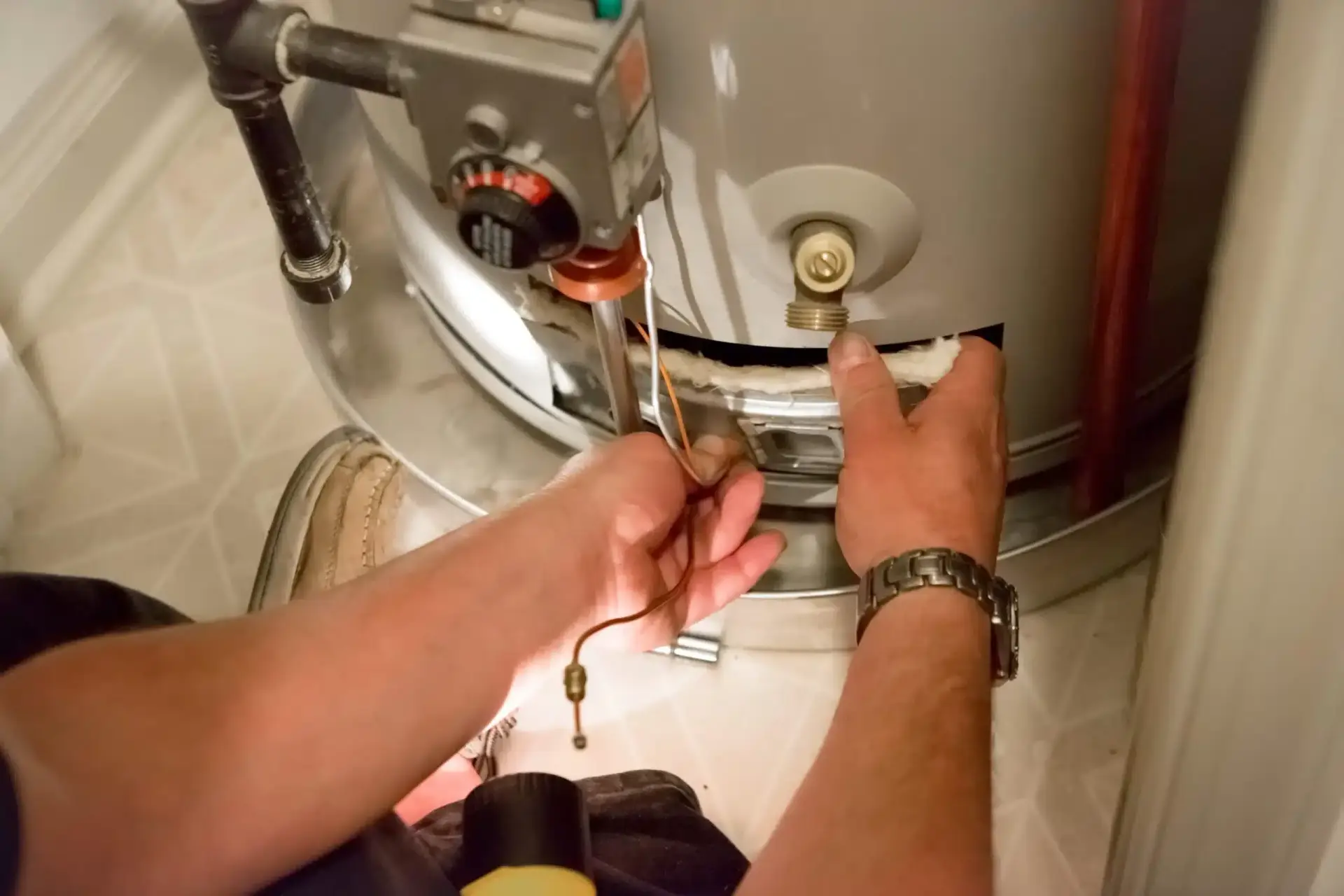
Nothing ruins a winter morning quite like stepping into a cold shower when you were expecting hot. An electric hot water system that's stopped working is a pain, and the temptation is to either panic or call someone straight away. Before you do either, give this a read.
First, work out what you've got: a storage tank, an instant unit, a heat pump, or a solar system with an electric booster. Whichever it is, most problems come down to a handful of common culprits. Grab a coffee and work through this ten-point checklist. It'll help you figure out what's going on, or tell you when it's time to call a plumber.
The homeowner's hot water checklist
1. Check the power is reaching it
Start here. A dead electric system often comes back to a tripped breaker or a blown fuse. Check the switchboard or meter box, find the breaker for the hot water, and reset it if it's off. Tanks, instant units, heat pumps and solar boosters all need steady power. If the breaker trips straight back, stop flipping it, because that points to an electrical fault.
2. Check the main switch
Some systems have their own on/off switch near the unit or on a nearby wall. Make sure it's on. On solar systems, the electric booster often has its own switch, and it's easy to overlook. A flicked-off switch is a surprisingly common reason for no hot water, so check it before you stress.
3. Check the thermostat setting
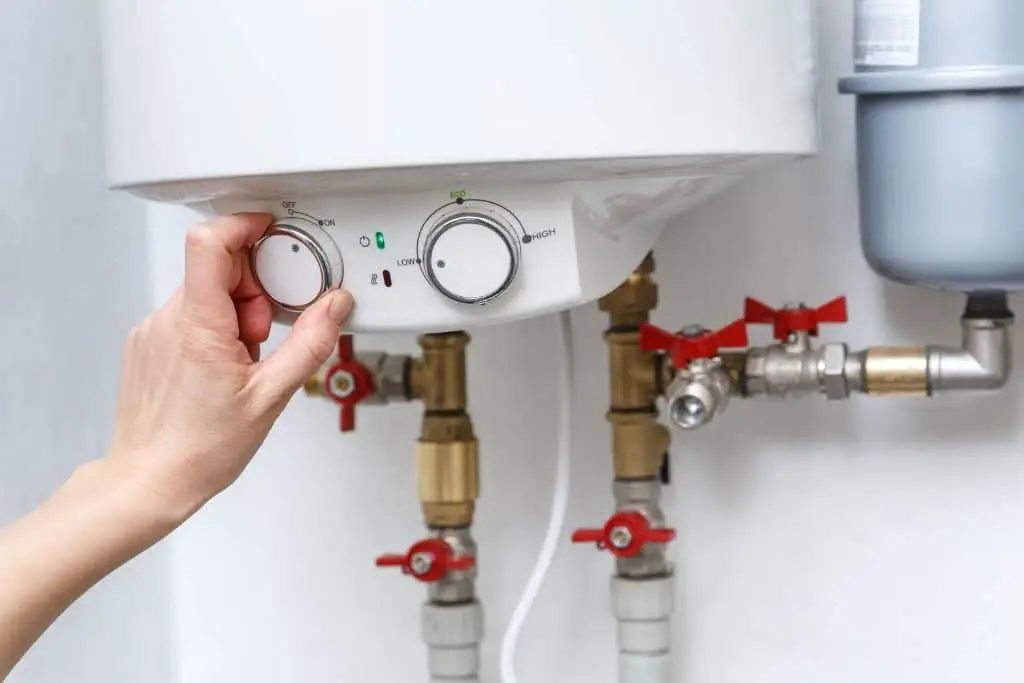
If the power's fine but there's still no heat, the thermostat's next. Every electric system uses one to control the water temperature, usually set to 50 to 60°C for Australian safety standards. Check the dial on a tank, or the display on an instant or heat pump unit. If it's set too low, nudge it up. A faulty thermostat won't tell the heater to kick in, so make a note of it if adjusting doesn't help.
4. Rule out overload
Sometimes the household's just asking too much of it. Multiple showers, the dishwasher and the washing machine all going at once can empty a storage tank. An undersized instant unit will struggle, and heat pumps or solar boosters can lag in peak use or cloudy weather. If you're regularly running out, you may simply need a bigger unit.
5. Look for leaks
A leak can make any system act like it's broken. Check around the tank, instant unit, heat pump or solar booster for puddles, damp spots or rusty patches. A faulty pressure relief valve, common across most systems, can cause pressure drops that look like a breakdown. If you find a leak, turn off the water and power and call a plumber before it causes damage.
6. Listen and sniff
Odd buzzing, hissing, or a burning smell all spell trouble. Storage tanks can rumble from sediment, instant units can hum from clogged coils, and heat pumps can whine if the compressor's struggling. Solar boosters can make noise from loose wiring. These usually point to a part that needs repair, so note down what you're hearing.
7. Think about its age
Storage tanks typically last 8 to 12 years, instant units and heat pumps around 10 to 15, and solar systems up to 15 with good maintenance. An ageing system is prone to corrosion and worn elements. If yours is near the end of its life, a replacement can be smarter and cheaper than repeated repairs.
8. Consider water quality
Hard water leaves sediment that clogs systems over time. In tanks it insulates the heating element, in instant units it blocks the coils, in heat pumps it drags down efficiency, and in solar systems it clogs the booster pipes. If your water runs cloudy or rusty, sediment may be why it's not heating. Flushing or cleaning usually sorts it, but it's a job for a professional.
9. Check for error codes
Modern instant units, heat pumps and some solar systems have displays or indicator lights. If there's an error code or a flashing pattern, it can point straight at the fault, like a failed sensor or a compressor problem. Check the manual for what the code means, but never attempt an electrical fix yourself.
10. Know when to call a plumber
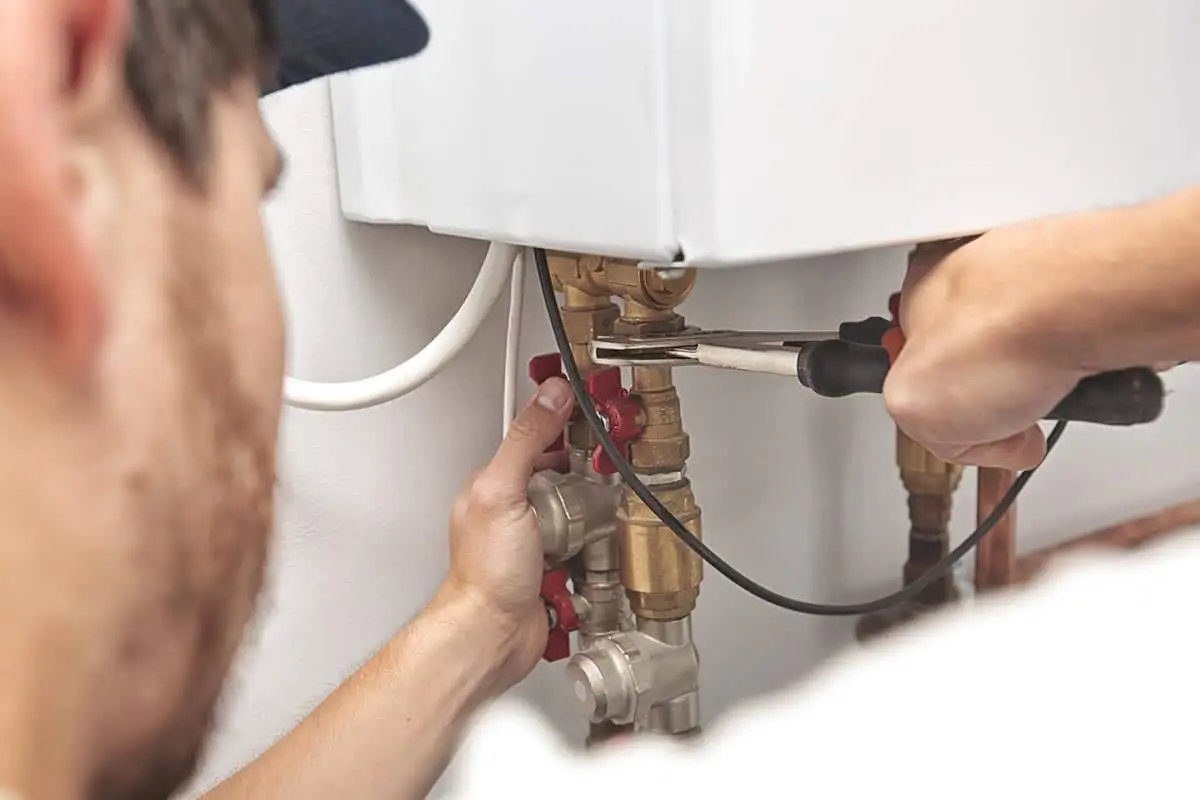
If you've checked everything and still have no hot water, it's time for a professional. Faulty heating elements, compressors and wiring all need a licensed hand to keep things safe and compliant. Knowing when the DIY stops is half the job.
How we do it at Fix-It Right
When an electric system packs it in, we fix and replace the lot, tanks, instant units, heat pumps and solar setups, and we get to the root of it whether it's a quick thermostat swap or a full overhaul. We keep it simple: there's $0 call-out, we give you three written quotes so you can pick what suits your budget, and you'll always know the price before we start. If the number's a stretch, Fix-It Now Pay Later gives you 12 months with no interest and no repayments. Every job is backed by our 10-year workmanship guarantee, because the whole idea is to fix it properly the first time. Plumbing fixed for good, not fixed for now.
We service hot water systems across Melbourne, Geelong, Ballarat and Canberra. Book online or give us a call and we'll get your hot water back on.