
How Long Does Your Hot Water Take to Heat Up?

Written by Richie Foster
Founder, licensed plumber
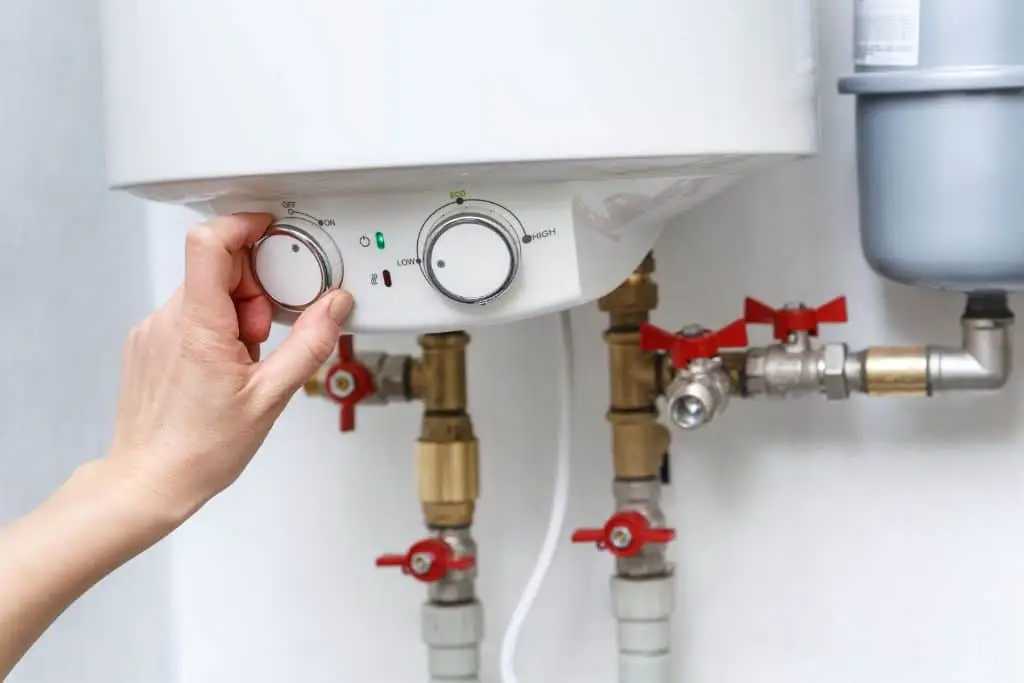
Standing at the sink waiting for the water to warm up, wondering if your hot water system is on the way out? Or maybe it's always been slow and you're shopping for something quicker. Either way, how long a hot water system takes to heat up is a fair question, and the answer depends on the type of system, its size and its condition.
Below we'll run through typical heating times for each type of system, and how to tell whether yours is just doing what it normally does or whether something's wrong.
What affects heating time
A few things drive it: the system's capacity, the energy source, the starting water temperature and the insulation. Our climate actually helps, because the incoming cold water usually sits around 15 to 20°C to begin with. Hard water and an ageing system slow things down.
If you're waiting ages every single time, that can point to a fault like a failed thermostat or sediment build-up. If you're shopping, knowing the heat-up times helps you match a system to how your household runs.
Heating times by system type
1. Gas storage tanks
Gas storage tanks hold 90 to 170 litres heated by a gas burner. A 135L tank typically takes 30 to 45 minutes to heat from 20°C to 60°C on a healthy system, and recovery after use is similar or faster if the tank's only partly emptied. Slow heating here can mean a faulty burner or sediment, especially on older units.
2. Electric storage tanks
Electric tanks (25 to 400L) use a heating element. A 125L tank takes about 2 to 3 hours to reach 60°C from 20°C, while a small 50L unit might take 1 to 1.5 hours. The element wattage (say 3.6kW versus 1.8kW) and the insulation both matter. If yours is taking longer than that, check the thermostat or element.
3. Instantaneous gas
Tankless gas units heat on demand, so you get hot water within about 5 to 10 seconds of opening the tap, helped by our warm water feed. If it keeps cutting out or is slow to heat, that can point to low gas pressure or a clogged heat exchanger, which needs a professional look.
4. Instantaneous electric
Electric instant units also deliver in 5 to 10 seconds, with no tank involved, just a powerful heating coil. Slow delivery can mean a faulty coil or not enough power supply, which crops up in older homes with dated wiring.
5. Heat pumps
Heat pumps pull heat from the air, which makes them efficient but slower. A 200L heat pump takes around 3 to 5 hours to heat from 20°C to 60°C, depending on the air temperature. They run well in mild weather, but a cold snap below 5°C slows them down. A sluggish one might have a compressor fault or need a refrigerant top-up.
6. Solar
Solar systems with a gas or electric booster are efficient but depend on sun. A 300L solar tank takes 4 to 6 hours to heat fully off the panels, though the booster can cut that to 2 to 3 hours on a cloudy day. Slow heating can mean a booster failure or dirty panels dragging efficiency down.
Troubleshooting slow heating
If yours is genuinely taking too long, it isn't always about the type of system. A few things to check:
- Power and gas supply. Make sure gas valves are open and breakers haven't tripped. Low gas pressure or a power issue slows heating.
- Thermostats and burners. A faulty thermostat or burner delays heating. Check the setting is at 50 to 60°C.
- Sediment and scale. Hard water clogs tanks, heat exchangers and coils. A flush may be needed.
- System size. A small tank or an underpowered instant unit won't keep up with a big household.
- Age. Systems over 10 to 15 years old lose efficiency to wear and corrosion.
If you're also seeing leaks, strange noises or error codes, that's your sign to get a plumber in, because slow heating often means the system needs servicing or replacing.
Choosing a system for speed
If speed's the priority, instantaneous or continuous flow (gas or electric) is the quickest, delivering hot water in seconds. Gas storage is faster than electric for larger families, while heat pumps and solar trade a little speed for much better efficiency. Weigh up your household size, budget and energy priorities, and we're always happy to help you land on the right one.
How we do it at Fix-It Right
Whether you're chasing a fault or shopping for something faster, we can help. We keep it simple: there's $0 call-out, we give you three written quotes so you can pick what suits your budget, and you'll always know the price before we start. If the number's a stretch, Fix-It Now Pay Later gives you 12 months with no interest and no repayments. Every job is backed by our 10-year workmanship guarantee, because the whole idea is to fix it properly the first time. Plumbing fixed for good, not fixed for now.
We repair and install hot water systems across Melbourne, Geelong, Ballarat and Canberra. Book online or give us a call.