
7 Signs Your Hot Water Anode Might Need Replacing

Written by Richie Foster
Founder, licensed plumber
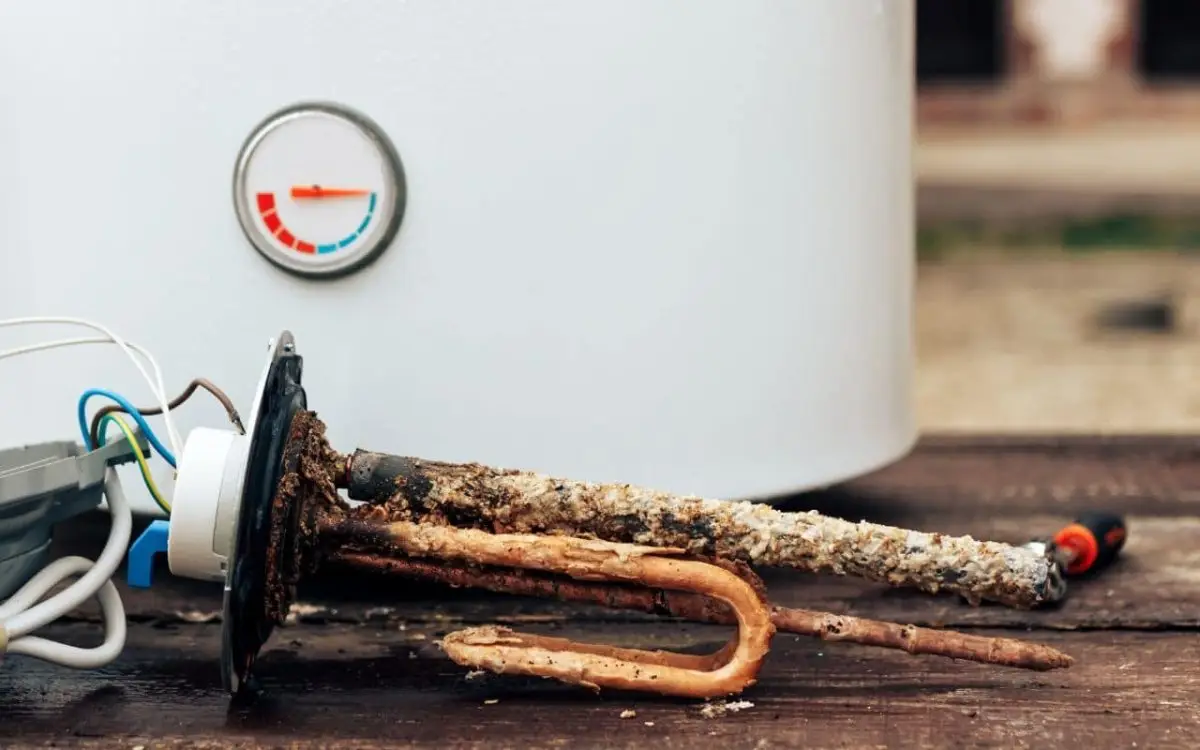
How much do you know about your hot water anode? If the answer's "almost nothing," you're in good company, because most people are the same. But this small, cheap, hidden part inside your system is what stands between your tank and rust, smells, leaks and an early death.
Here's what the anode does, why it matters, and the warning signs that yours might need checking or replacing. Whether you've got an older electric unit or a newer gas one, these signs apply to just about every storage tank going.
What is an anode, anyway?
Every storage hot water system has a metal rod inside it, usually magnesium or aluminium, that's there to attract corrosion away from the steel tank. It's called a sacrificial anode because it corrodes itself so the tank doesn't. While it's in good shape, the tank stays clean inside. Once the rod's fully corroded, rust starts eating the tank walls, and you often won't know until the damage is done. Here's how to tell yours might be due.
1. The hot water smells metallic or like rotten eggs
A smell is one of the most common early signs. That rotten-egg smell, especially from taps or showers you don't use much, is often bacteria reacting with the magnesium rod. It isn't dangerous, but it's a sign the anode may be breaking down, so it's worth a check from a licensed plumber to rule out corrosion or bacteria build-up.
2. The water has a rusty or brown tint
If your hot water's started looking brown or rusty, especially first thing in the morning, that can point to an ageing anode. The discolouration usually comes from sediment or early corrosion inside the tank. Caught early, a new anode fixes it and extends the life of the system. Leave it too long and you may be up for a whole new tank.
3. You hear rumbling or popping
Rumbling, banging or popping from the tank is usually sediment sitting on the bottom, which is often a sign the anode has broken down and isn't doing its job. That leads to overheating, lost efficiency and extra stress on the internals.
4. The system is more than five years old
Even if everything seems fine, a system over five years old should have its anode checked as part of routine servicing. Some last longer, but plenty of Australian tanks start degrading internally around the 5 to 7 year mark if the anode's never been touched. We include an anode inspection in our standard servicing across Melbourne, Geelong, Ballarat and Canberra.
5. You're replacing heaters more often than you should
If you've had to replace a tank sooner than expected, it's worth asking whether the anode was ever serviced. A perfectly good tank is often lost to rust purely because the rod was never checked. A simple inspection every few years can save you a lot over time.
6. Water's pooling at the top of the tank
Water around the top of the system could be a valve issue, or a failing anode, where the thread or seal around the rod has been compromised and is letting water seep. Left alone, a slow leak like that turns into full rust damage. A plumber can tell whether it needs a new anode or just a reseal.
7. You'd never heard of an anode before now
If this is the first you're hearing of anodes, there's a good chance yours has never been checked. And if the system's more than a few years old, that could mean trouble down the track. Replacing an anode is far cheaper than replacing a tank, and if the tank's still sound we can usually fit a new rod in under an hour.
What happens during an anode replacement
Here's how we handle it:
- We isolate the system and relieve the pressure.
- We remove the old rod (sometimes with a bit of effort if it's corroded solid).
- We inspect the condition of the rod and the inside of the tank.
- If it's worth it, we fit a new rod (aluminium or magnesium depending on the system and your water quality).
- We reseal and test the tank.
How often should you replace it?
Generally every 3 to 5 years, but it depends on your water quality (hard water corrodes faster), the tank size and brand, and how hard the system's working. Once a system's past five years old, we'd suggest having the anode inspected every 2 to 3 years, especially in a busy family home.
How we do it at Fix-It Right
Don't wait for the tank to fail before you think about the anode. Like most maintenance, it's the simple stuff that saves you the big bills later. We'll give you honest advice on anode servicing and system health, with no upselling. We keep it simple: there's $0 call-out, we give you three written quotes if any work's needed, and you'll always know the price before we start. If the number's a stretch, Fix-It Now Pay Later gives you 12 months with no interest and no repayments. Every job is backed by our 10-year workmanship guarantee, because the whole idea is to fix it properly the first time. Plumbing fixed for good, not fixed for now.
We service hot water systems, anode checks included, across Melbourne, Geelong, Ballarat and Canberra. Book online or give us a call.