Gas vs Electric Hot Water: Which Costs Less?

Written by Richie Foster
Founder, licensed plumber
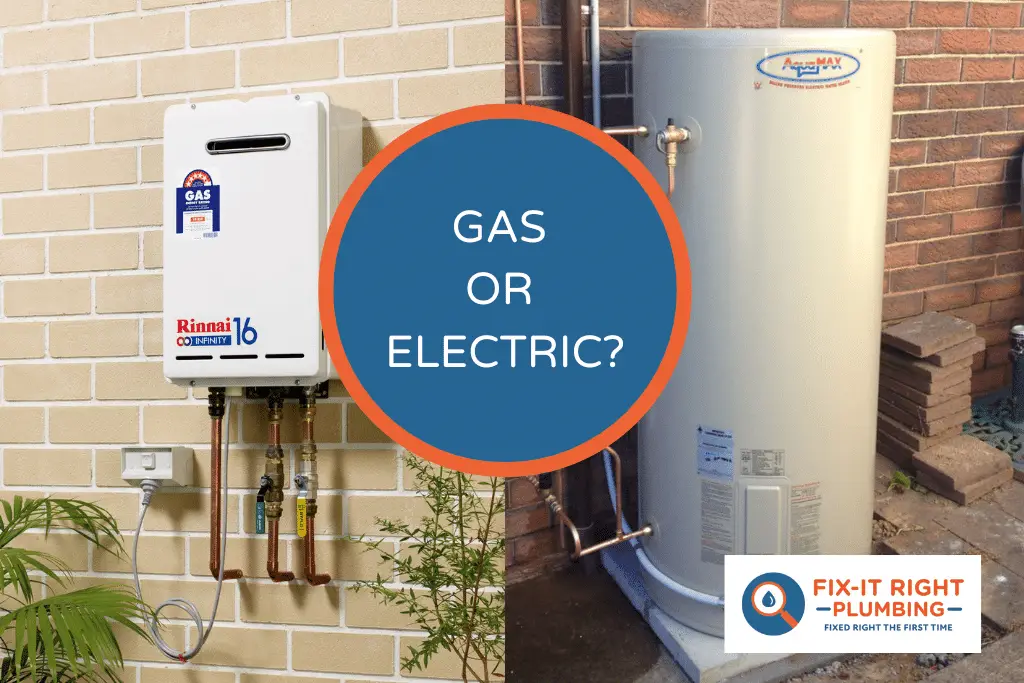
With the cost of living where it is, most households are taking a hard look at every bill, and hot water is a bigger one than people realise. Heating water can account for up to 25% of your power bill, so if you're replacing a system, comparing the long-term value of gas versus electric is a smart place to start.
That 25% is a serious chunk of your energy use, and the right system can save you hundreds, even thousands, over its life. So which is actually cheaper? Let's break it down.
1. The cost comparison
Is gas hot water cheaper than electric? The honest answer is: it depends.
- Up front, electric systems are usually cheaper to buy and install.
- Over time, gas can have lower running costs, depending on your tariffs, how much hot water you use and how efficient your current system is.
Location matters too. Where mains natural gas is available it's generally cheaper per unit than electricity. But in areas where gas has to be bottled, or isn't available at all, electric may be the only realistic option.
2. Understanding running costs
The real savings come from how the system's used day to day.
- Electric storage can cost more to run, especially if you're using hot water through the day and not on an off-peak tariff. A time-of-use plan or solar panels change that picture a lot.
- Gas, particularly continuous flow (also called instantaneous), only heats water as you need it, which suits larger families and high-use homes. It also recovers quickly in cold weather because it isn't relying on stored heat.
Think about how your household actually uses hot water. Long showers, multiple loads of laundry, a big family all hitting the bathroom at once? Gas tends to be the better performer.
3. Efficiency and performance
It's not only about cost. Nobody wants a system that runs cold at peak times or takes an age to reheat.
- Electric storage is limited by tank size. Once the hot water's gone, you wait for it to reheat, which isn't ideal on a cold morning or when you've got guests.
- Gas continuous flow heats on demand, so everyone gets consistent hot water no matter how long the showers run.
A system that keeps running short can get expensive if it pushes you into an early replacement, so factor reliability in alongside the price.
4. Up-front cost and installation
If the budget's tight right now, the up-front cost can tip the decision.
- Electric heaters are usually cheaper to buy and install, which suits households watching the budget.
- Gas, especially continuous flow, costs more up front but can last longer and save money over time.
Your existing setup matters as well. If you've already got gas connected, sticking with gas often makes sense. If the property is electric-only, switching to gas can mean expensive infrastructure work. This is where a licensed hot water plumber can assess what you've got and point you at the most cost-effective option.
5. Lifespan and maintenance
On average, electric systems last 10 to 15 years depending on the brand and maintenance, while gas continuous flow units can last up to 20 with regular servicing.
Both need looking after. Hot water leaks can happen with either and will push your bills up and lead to bigger failures if ignored. Electric systems may need the odd element, thermostat or anode rod replacement. Gas systems have burners, valves and flues that need a licensed gasfitter, so that servicing has to be done by someone qualified for your local gas requirements.
6. Environmental considerations
There's also your footprint to think about. Electricity in Australia is increasingly coming from renewables, so depending on your provider, an electric system can carry a lower carbon output over time.
- If you've got solar, electric hot water becomes more appealing again, especially with a timer or smart controller set to heat during daylight hours.
- Gas can still be competitive on efficiency if your home runs on clean-burning natural gas.
For anyone focused on cutting fossil-fuel reliance, electric paired with solar is usually the greener long-term choice.
So which one should you choose?
There's no black-and-white answer. It comes down to your home, your lifestyle, your energy source and your budget. Here's the short version.
Choose gas if:
- You already have a mains gas connection.
- You use a lot of hot water, like a large family.
- You want continuous hot water with no waiting.
- You're staying in the home long enough to benefit from lower running costs.
Choose electric if:
- You want a lower up-front cost.
- You're in an all-electric home or one with solar.
- Your usage is moderate or scheduled for off-peak times.
- You'd rather a lower-maintenance system with no gas servicing.
How we do it at Fix-It Right
We help homeowners work out the best system for their needs rather than just selling a box. We'll look at your current setup and your usage habits and help you budget for the right solution, now and down the track. We keep it simple: there's $0 call-out, we give you three written quotes so you can pick what suits your budget, and you'll always know the price before we start. If the number's a stretch, Fix-It Now Pay Later gives you 12 months with no interest and no repayments. Every job is backed by our 10-year workmanship guarantee, because the whole idea is to fix it properly the first time. Plumbing fixed for good, not fixed for now.
We install and service gas and electric hot water systems across Melbourne, Geelong, Ballarat and Canberra. Book online or give us a call and we'll help you pick.