A recurring blocked drain turned into a much bigger problem
A Melbourne homeowner initially noticed what seemed like a simple plumbing issue. The toilet was slow to drain, accompanied by frequent gurgling sounds and recurring blockages. While the rest of the home’s plumbing appeared to be functioning normally, these warning signs suggested a more serious issue beneath the surface.
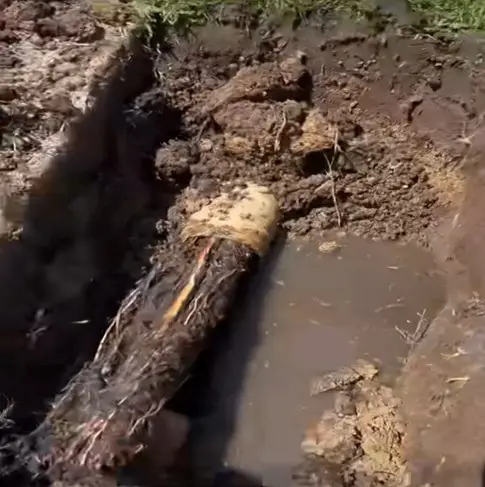
When our team at Fix-It Right Plumbing inspected the property, we discovered that tree roots had penetrated the sewer line. Over time, the roots had grown inside the pipe, restricting wastewater flow and causing repeated blockages. Further investigation also revealed several additional issues that required attention before they could develop into more expensive repairs.
For homeowners experiencing similar symptoms, engaging an experienced blocked drain plumber can help identify hidden problems before they lead to major property damage.
What the camera inspection revealed
Using specialised drain camera equipment, our plumbers completed a thorough assessment of both the sewer and stormwater systems.
The inspection identified:
- Severe tree root intrusion within the sewer pipeline
- Significant sewer pipe damage requiring rehabilitation rather than temporary repairs
- A stormwater line partially blocked with accumulated silt and debris
- Multiple damaged sections throughout the stormwater pipework
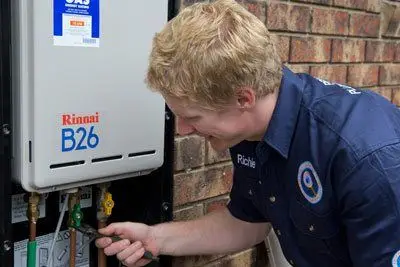
- Faulty and leaking hot water service valves that also required replacement
While the homeowner had initially reported toilet blockages, the inspection showed that several interconnected plumbing issues were affecting the property’s drainage performance. Without proper repairs, the damaged pipes would likely continue to deteriorate, increasing the risk of future blockages, leaks and potentially costly excavation works.
Why tree roots are such a common cause of blocked drains
Tree roots naturally seek out moisture. Even the smallest crack or loose pipe joint can allow roots to enter underground pipes, where they continue growing in search of water and nutrients.
Once inside the pipe, roots trap toilet paper, grease and other waste materials. Over time, this buildup reduces water flow until blockages become frequent. In many cases, homeowners only become aware of the problem after repeated toilet overflows or slow drainage.
This is why recurring blockages should never be ignored. Clearing the obstruction may restore flow temporarily, but unless the damaged pipe is repaired, the roots will almost always return.
The solution: drain relining instead of excavation
Rather than excavating large sections of the property, our team recommended drain relining to restore the damaged sewer pipe.
Drain relining involves installing a durable structural liner inside the existing pipeline. Once cured, the liner forms a new pipe within the original one, sealing cracks, preventing future root intrusion and restoring the pipe’s structural integrity.
For this project, we completed:
- Sewer drain relining using inversion technology
- Stormwater pipe repairs with internal patch repairs
- Rehabilitation of damaged sewer sections without excavation
- Repairs to damaged stormwater pipework
- Replacement of leaking hot water service valves
Because the repairs were completed internally, there was no need to dig up extensive sections of the yard or remove established landscaping.
Protecting the property from unnecessary damage
One of the biggest advantages of modern pipe rehabilitation is that it avoids the disruption traditionally associated with underground plumbing repairs.
Excavating a damaged sewer line can involve removing gardens, cutting through driveways, lifting paving or disturbing outdoor entertaining areas. These restoration costs can often exceed the plumbing repairs themselves.
By choosing drain relining, the homeowner preserved their landscaping while still receiving a long-term solution that addressed the underlying cause of the problem, and in a shorter overall timeframe than a full pipe replacement would have taken.
Final Observations
Following the completion of the repairs, both the sewer and stormwater systems were restored to full working order.
The relined sewer pipe now provides a continuous internal surface that resists future tree root intrusion, while the repaired stormwater system allows water to drain efficiently during heavy rainfall.
The completed works delivered:
- Fully restored sewer drainage
- Improved stormwater performance
- Reinforced pipe integrity
- Protection against future tree root intrusion
- No excavation or full pipe replacement required
Signs it’s time to call a blocked drain plumber
If you’re hearing gurgling toilets, experiencing slow drainage or dealing with recurring blockages, it’s worth arranging a professional inspection before the problem escalates. Modern camera inspections can quickly identify whether tree roots, damaged pipes or other hidden issues are responsible.
An experienced plumber Melbourne homeowners rely on can recommend the most suitable long-term repair, whether that’s clearing the blockage or using drain relining to restore damaged pipes without unnecessary excavation. If your property has multiple symptoms showing up at once, like this case’s combination of a blocked toilet, stormwater issues and leaking valves, it’s also worth having your hot water system and wider plumbing checked at the same time, since problems like these are often connected.
At Fix-It Right Plumbing, our team uses advanced diagnostic equipment and proven repair methods to solve blocked drains properly the first time. Get in touch if you’re noticing any of the above warning signs.
Related posts:
 How We Solved a Complex Stormwater Drainage Problem in Altona Meadows
 Fix-It Right Plumbing Launches Redesigned Website to Improve Customer Access and Service Transparency
 The Most Common Plumbing Problems Homeowners Ignore
 “Keeping Things Flowing Smoothly For Years To Come”
 How a Hot Water Call-Out in Coburg North Uncovered a Gas Safety Issue and Hidden Leaks
 Water Leak Detection and Hot Water Repairs in Nicholls