Good plumbing habits can save you thousands of dollars over time – not just on repairs but on water and energy bills. As we head into 2026, it’s the perfect time to reassess how you look after your home’s plumbing. From daily routines to seasonal maintenance, adopting smart plumbing habits can protect your property, conserve resources and extend the life of your plumbing systems.
Keep an Eye Out for Hidden Leaks
Small leaks can waste hundreds of litres of water a month, silently inflating your bills and potentially causing water damage. Make it a habit to check under sinks, behind toilets and around your hot water system regularly. Damp patches, unusual pooling or a musty smell could mean a slow leak. Catching these issues early prevents major damage and keeps your water usage in check. For extra peace of mind, consider installing a leak detection system in areas prone to moisture.
Turn Off Taps Firmly and Fix Drips
A dripping tap may seem minor, but a tap that drips once a second can waste over 10,000 litres of water a year. Make sure taps are fully turned off after use and fix any leaks asap. Persistent drips often mean worn washers or cartridges that need replacing. Beyond saving water, fixing leaks ASAP reduces the strain on your plumbing system and keeps water pressure throughout your home.
Use Drain Strainers
Hair, soap residue, and food scraps are some of the biggest culprits of blockages in home plumbing. Installing simple drain strainers in sinks and showers can prevent most debris from entering your pipes. Make it a habit to empty and rinse them regularly. This simple step keeps your drains flowing freely and reduces the need for costly drain-clearing services in the future.
Don’t Pour Grease or Oil Down the Sink
Grease may seem harmless when liquid, but as it cools, it solidifies and builds up inside your pipes, causing blockages over time. Pour used oil into a sealable container and dispose of it with household rubbish. You can also use absorbent materials like paper towels to soak up excess grease before disposal. This small habit can extend the life of your kitchen plumbing and prevent costly blockages. Flush Pipes with Hot Water After Use
Running hot water through your sinks after washing dishes or cooking helps flush away soap, grease and food residue before it has a chance to accumulate. Over time, this simple habit can reduce the risk of pipe blockages, improve water flow and even prevent unpleasant smells caused by build-up in your drains.
Monitor Water Pressure
High water pressure can feel great in the shower, but it puts extra strain on pipes, joints and appliances. Using a pressure gauge to check your system is a smart move – Australian homes generally perform best between 300-500 kPa. If your pressure is too high, a licensed plumber can install a pressure regulator to protect your plumbing, extend the life of appliances and reduce the risk of leaks or burst pipes.
Insulate Pipes Before Winter
Cold temperatures can cause pipes to contract and, in some cases, burst, especially in southern regions where winter nights drop below freezing. Wrapping exposed pipes with insulation sleeves, especially in garages, under-sink cupboards and outdoor tap,s helps prevent freezing and damage. Insulating hot water pipes can also reduce heat loss and lower your bills.
Flush Your Hot Water System Annually
Sediment builds up in hot water systems, reducing efficiency and shortening their life. Flushing your tank at least once a year removes these deposits and ensures your system runs efficiently, reducing the need for costly repairs or replacement. For households with hard water, this step is especially important to prevent scale buildup that can affect water quality and appliance performance.
Be Careful What You Flush
Toilets are designed for human waste and toilet paper only. Flushing wipes, cotton buds, nappies or sanitary items can cause serious blockages. Even products marketed as “flushable” often take a long time to break down. Teach everyone in your household which items are safe to flush and save yourself the expense and hassle when it comes to drain clearing or plumbing repairs.
Schedule Routine Plumbing Checks
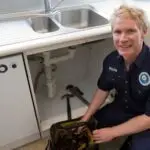
Regular maintenance pays off. A plumbing inspection every 12-18 months can detect minor leaks, slow drains or corrosion before they become major problems. Preventive checks are far more affordable than emergency repairs and give you peace of mind. Many homeowners rely on experienced professionals, including one of Melbourne’s top plumber Fix-It Right Plumbing, to help identify small issues early and keep systems running efficiently.
Know Where Your Water Shut-Off Valve Is
In the event of a burst pipe or major leak, being able to turn off the water quickly can prevent significant damage to your property. Make sure everyone in your household knows where the main shut-off valve is and how to operate it. Combine this knowledge with regular inspections, and you’ll reduce the impact of unexpected plumbing issues.
Building Better Habits for 2026
Your home’s plumbing works hard every day – from morning showers to night time washing-up. By following these simple habits, you can reduce waste, be more efficient and stress less. Small, consistent actions make the biggest difference and keep your home running smoothly and your bills under control.
As 2026 begins, take a moment to appreciate the unseen systems that make life comfortable. Proactive care now means fewer surprises later, and your wallet will thank you.